Nutrition is the foundation of all health. In the United Kingdom, we are fortunate to have some of the highest standards for pet food safety in the world. However, “safe” does not always mean “optimal.” As a pet owner, navigating the thousands of options available on the market can be overwhelming. This masterclass is designed to help you decode the labels and understand exactly what your cat or dog needs to thrive, all available through the curated selection at Pet Food Order.
To choose the right food, we must first understand the biology of our pets.
When browsing Pet Food Order, we encourage you to look at the first five ingredients listed on any bag or tin.
Grain-free pet food has become incredibly popular across the UK, and for good reason. Many pets develop sensitivities to common grains like wheat, corn, and soy. Symptoms of grain sensitivity include chronic ear infections, excessive paw licking, and digestive upset. By switching to a grain-free diet from Pet Food Order, many owners see an immediate improvement in their pet’s energy levels and skin health. However, it is important to ensure that the grains are replaced with high-quality legumes or vegetables, not just cheap fillers.
A “one size fits all” approach to nutrition rarely works.
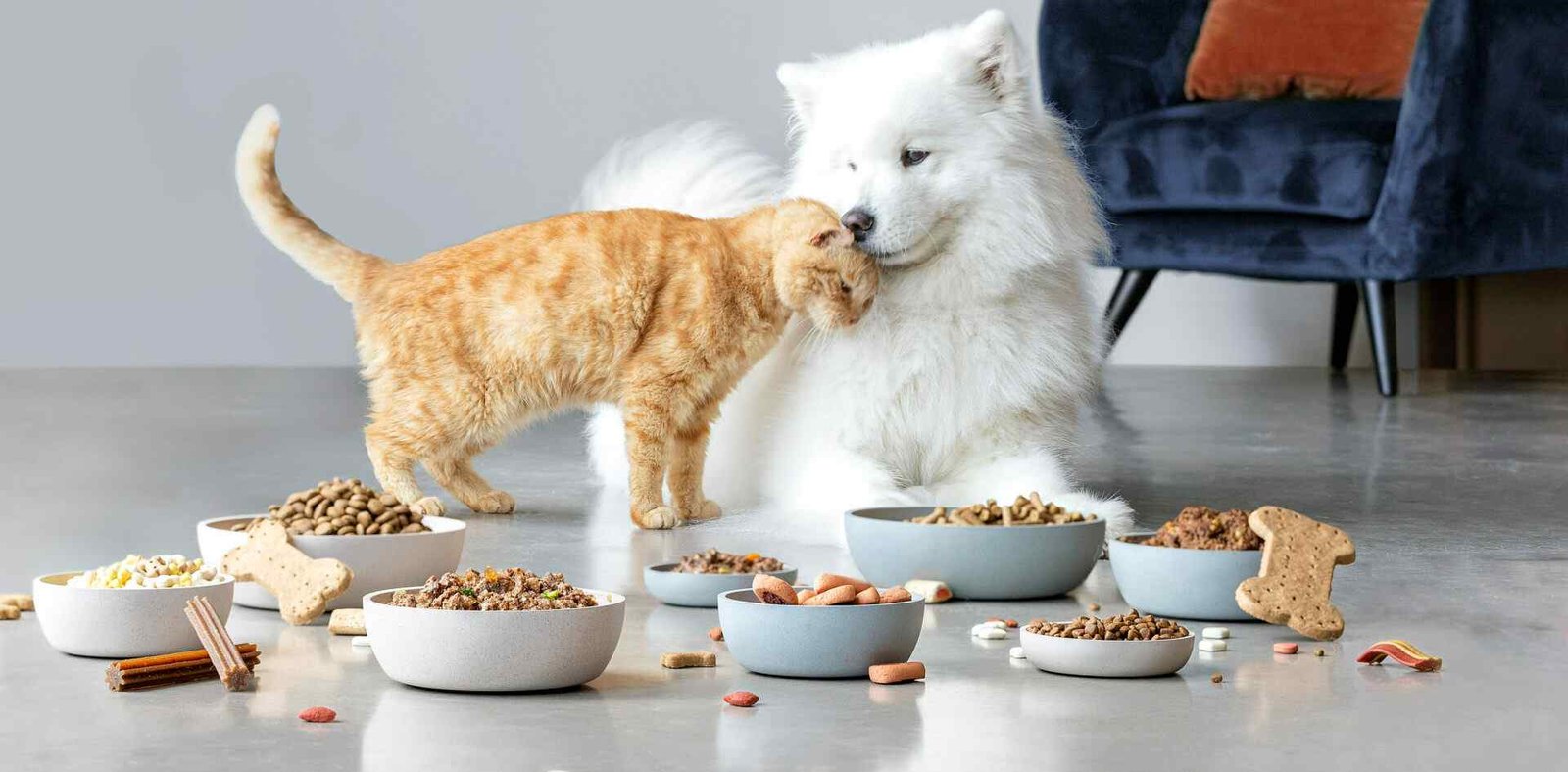
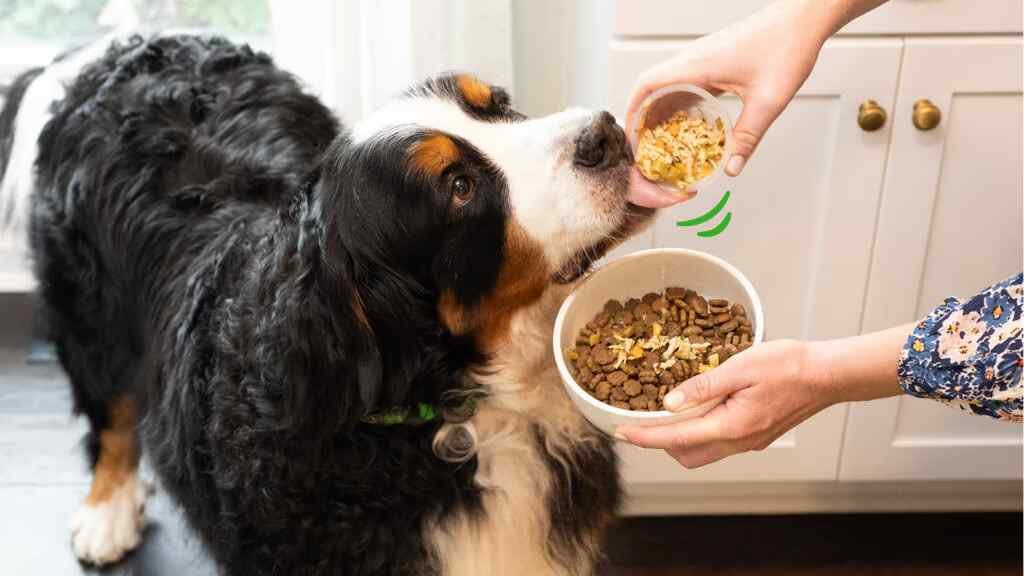
Many pet owners overlook the role of moisture in a diet. This is particularly crucial for cats, who have a low thirst drive and naturally get most of their water from their prey. Feeding a 100% dry food diet to a cat can put a strain on their kidneys over time. At Pet Food Order, we often recommend a “mixed feeding” strategy—kibble for dental health and wet food for hydration. For dogs, adding a splash of warm water or bone broth to their kibble can also enhance palatability and digestion.
Lower-priced pet foods often use “fillers”—ingredients that have little to no nutritional value but make the pet feel full. These include hulls, mill run, and excessive amounts of cereal. Not only do these lead to larger stools (which no owner wants to clean up), but they also contribute to lethargy and long-term health issues. When you invest in premium food from Pet Food Order, you are actually feeding less food because the nutrient density is much higher.
Treats should never make up more than 10% of a pet’s daily caloric intake. We advocate for natural treats—dried liver, sweet potato chews, or fish skins. These provide a reward without the hidden sugars found in many supermarket treats. Similarly, supplements like probiotics can be beneficial for pets with sensitive stomachs, helping to maintain a healthy gut microbiome.
At Pet Food Order, we believe that every pet deserves a bowl full of health. By understanding the science of nutrition and choosing high-quality ingredients, you are giving your pet the best chance at a long, disease-free life. Our team carefully vets every brand we carry to ensure it meets our rigorous standards for quality and transparency. Start your pet’s journey to better health today by exploring our nutritional range.

We use cookies and data to deliver our services. By clicking 'Accept all', you agree to our privacy_policy.